Finding the Right Jamestown Tiny Home Builder for Custom Small-Space Designs
Finding the Right Jamestown Tiny Home Builder for Custom Small-Space Designs
Blog Article
Reliable Home Builder: Creating Your Dream Home
Choosing a reliable home contractor is a crucial step in converting a vision into a concrete outcome. This choice can greatly affect the construction process and overall contentment. Key qualities such as communication skills, professional background, and a strong reputation are essential. Recognizing these elements can result in a more smooth process. Yet, many homeowners overlook important factors that can impact their process. What should they think about before making this significant choice?
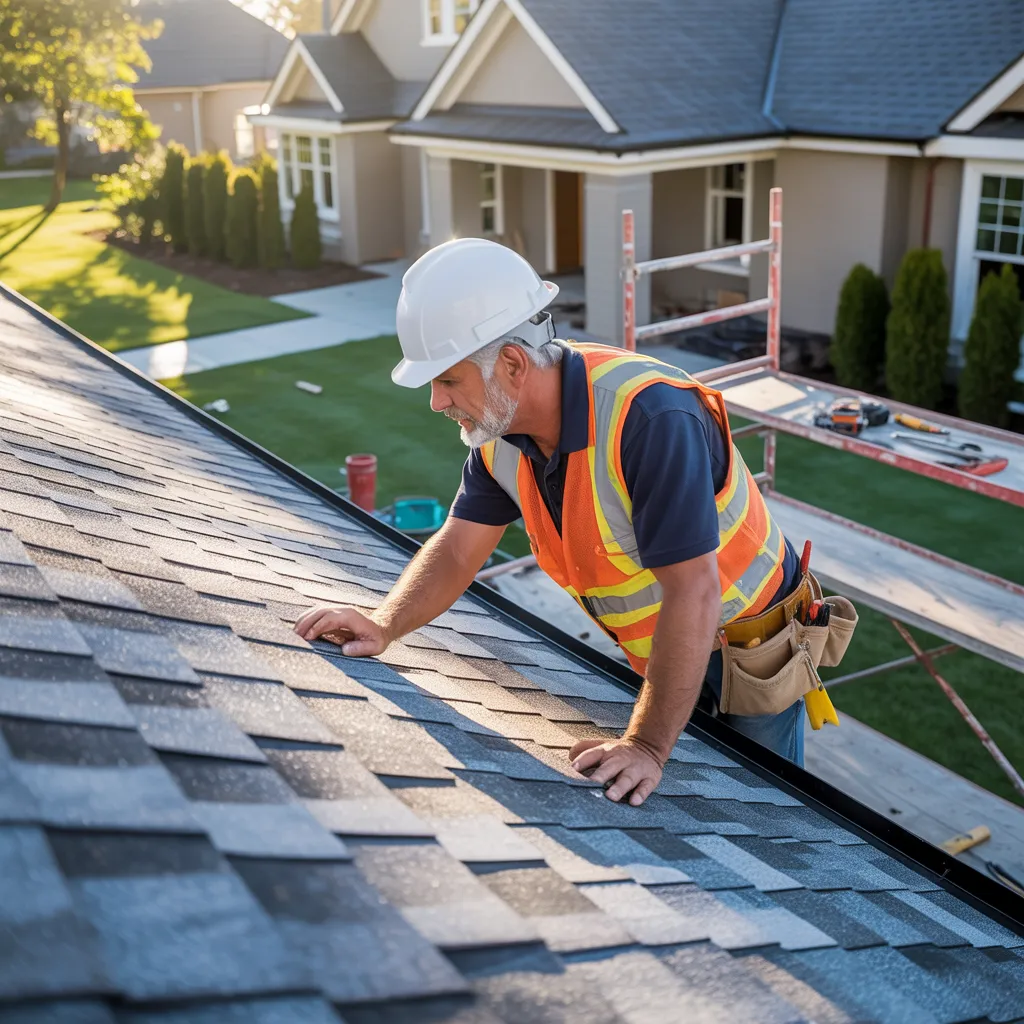
Important Qualities of a Trusted Home Builder
When identifying a home builder, the foundation of a successful relationship centers on their core characteristics. A dependable home builder demonstrates excellent communication abilities, ensuring openness throughout the building phase. They should maintain substantial professional expertise, which allows them to navigate challenges and provide quality results. Close attention to detail is another key quality; it reflects their commitment to quality and respect for building codes.
Furthermore, an excellent builder should develop a strong name, grounded by positive comments and references from former clients. This trustworthiness is usually created through dependability and accountability when achieving deadlines and financial constraints. Flexibility likewise serves as an essential component, since a builder must be responsive to client suggestions and willing to revise specifications as required. In summary, these qualities work together to establish a collaborative atmosphere, vital for achieving a customer's concept in practical form.
Perks of Choosing the Best Developer for Your Perfect Home
Determining the right builder significantly improves the home building process, translating visions into tangible results. A experienced builder not only provides professional skill and knowledge but also ensures adherence to schedules and financial constraints. This dependability fosters confidence for homeowners, knowing their property investment is in trustworthy hands.
Furthermore, a credible construction firm often maintains proven partnerships with material providers and contractors, leading to better grade materials and workmanship. This can result in a more durable and efficient home, ultimately decreasing long-term upkeep expenses.
Additionally, the suitable contractor delivers valuable insights during the design phase, adapting the home to fulfill specific needs and preferences. Their familiarity of area regulations and building codes can speed up the licensing procedure, minimizing postponements.
In the final analysis, selecting the perfect construction firm establishes a solid framework for a flourishing initiative, raising satisfaction and confirming that the dream home becomes a genuine achievement.
What to Prepare For During the Home Building Journey?
What should property owners get ready for during the home building journey? The process commences with an opening meeting, where homeowners communicate their vision and budget with the builder. This stage often encompasses site selection and obtaining necessary permits, which can take time and require patience.
Once planning is in motion, construction stages start, involving groundwork, building the frame, and installation of utilities. Homeowners should prepare for regular progress reports and monitoring visits to assess progress. Challenges may occur, such as delays caused by weather or material scarcities, which are common in the building process.
As the assignment moves toward completion, homeowners will engage in final inspections, making certain everything fulfills their preferences. This journey culminates in the delightful moment of claiming the keys to their new home. Throughout this journey, candid communication with the builder is fundamental to surmount challenges and guarantee that the final result accords with the homeowner's vision.
Key Topics to Examine Your Home Builder
When choosing a home builder, it's crucial to assess their qualifications and background to guarantee they have a solid history of success. Furthermore, examining their responsiveness and communication skills can provide insight into how efficiently they will oversee the building process. Posing the appropriate inquiries can help prospective homeowners make well-considered choices.
Experience and Professional Background
For potential home buyers starting the journey of constructing their ideal residence, understanding a builder's qualifications and background becomes crucial. Evaluating a builder's track record is important; years in the industry often indicate reliability and expertise. Homeowners should inquire about completed projects, focusing on quality and design that align with their vision. Credentials and permits further confirm a contractor's professionalism and adherence to industry standards. Additionally, looking into memberships in professional organizations can shed light on the builder's dedication to continuous learning and quality standards. Homeowners should also obtain references from past clients to measure contentment and results. Ultimately, appraising experience and credentials lays a strong foundation for a successful building partnership.
Engagement and Responsiveness
The effectiveness of a builder’s communication can strongly affect the home-building experience. Those looking to buy a home should assess a builder’s responsiveness during the early inquiries. Questions to contemplate include: How quickly does the builder respond to calls or emails? Do they agree to meet face-to-face to go over project details? Strong communication not only creates trust but also guarantees expectations are aligned. Furthermore, ask about the methods used for updates during construction. Are there regular updates provided to homeowners? Are there established channels for addressing concerns? A builder’s open and consistent engagement can signal their commitment to satisfying customers. In the end, clear communication and responsiveness are key to a smooth and successful home-building experience.
How to Evaluate Home Builder Reviews
What elements should one reflect on when assessing home builder feedback? First, it is critical to examine the source of the reviews. Established platforms or websites with verified customer feedback reinforce credibility to the feedback. Next, potential homeowners should look for consistencies in the reviews. Consistent comments regarding quality, communication, and timeliness can offer insight into the builder's reliability.
Furthermore, separating subjective opinions from factual information is vital. Remarks about personal experiences may differ significantly, but particular information about workmanship or project completion can offer useful insights.
Additionally, the timing of the reviews plays a role; recent feedback often illustrates a builder's current work quality and standards. Finally, analyze the overall rating paired with individual reviews, as a high average may point to a generally good standing despite a few negative experiences. By carefully considering these factors, one can make a more prudent choice when deciding on a home builder.
Strategies for Forming a Powerful Bond With Your Builder
Building a solid relationship with a home builder requires effective communication and explicit expectations. Having open channels for dialogue allows both parties to voice concerns and updates throughout the construction process. Also, establishing clear expectations from the start encourages a collaborative environment, elevating overall project satisfaction.
Foster Interaction Networks
Effective communication acts as the cornerstone of a effective relationship between homeowners and builders. Setting up open communication channels fosters transparency and trust throughout the construction process. Homeowners should prioritize regular check-ins, using various methods such as emails, phone calls, or in-person meetings to guarantee that concerns are addressed quickly. Builders, in turn, should provide updates on project progress and any potential challenges, encouraging a two-way dialogue. This proactive approach helps to minimize misunderstandings and promotes a collaborative atmosphere. Additionally, homeowners should feel comfortable voicing questions or suggestions, while builders should remain attentive and responsive. By nurturing these open lines of communication, both parties can work together effectively, ultimately leading to a more fulfilling home-building experience.
Set Distinct Expectations
When homeowners and builders establish transparent communication from the beginning, the groundwork for a solid partnership is created. This clarity helps both stakeholders understand project schedules, financial limitations, and aesthetic choices, reducing misunderstandings. Homeowners should express their concept and priorities, while builders must communicate feasibility and potential challenges. Frequent meetings throughout the process guarantee that any modifications are made jointly. Creating a detailed contract that outlines responsibilities, timelines, and billing arrangements further solidifies this comprehension. By emphasizing transparency, both homeowners and builders can foster trust background information and accountability. Ultimately, setting clear expectations not only enhances communication but also supports an smoother construction process, leading to the fulfillment of the homeowner's ideal residence vision.
Frequently Asked Questions
What Duration Should You Anticipate for the Home Building Process?
Residential building processes generally take six to twelve months, based on factors including complexity of design, permitting, and climatic factors. Each project differs, affecting overall schedules and completion dates significantly.
What Loan Choices Are Offered for Home Projects?
Multiple financing options for home construction include conventional loans, FHA loans, construction-to-permanent loans, and personal loans. Each option offers unique terms and conditions, permitting individuals to choose based on their financial standing and project requirements.
Can I Modifying Options During the Building Phase?
Yes, alterations can generally be made during the building process. However, the extent and feasibility copyright upon the project's stage, budget implications, and the builder's policies, calling for transparent dialogue between the homeowner and the builder.
What Protection Do Builders Usually Provide After Completion?
Builders typically provide warranties addressing structural issues, workmanship, and materials for a specified duration, often ranging from one to ten years. These guarantees guarantee coverage against potential issues that may occur after completion of the construction.
How Are Construction Delays Communicated to Homeowners?
Construction postponements are ordinarily transmitted to homeowners through frequent updates by telephone or email. Builders may additionally issue written notices detailing the causes of delays, estimated timelines, and corrective measures being taken to rectify these difficulties.
Report this page